Alright, let’s be real. When you think of Chengdu, what pops into mind? Probably the adorable giant pandas munching on bamboo, the mouth-numbing, soul-warming embrace of a hotpot, or those lazy afternoons in a teahouse, sipping jasmine tea while someone cleans your ears. That’s the postcard version, and it’s glorious. But this city has layers, like a well-spiced mapo tofu. Peel back the cozy, leisurely veneer, and you’ll find a pulse of modern history, a story of struggle, resilience, and change. That’s where Chengdu’s “Red Tourism” /es in—it’s not just a box to tick for history buffs; it’s a way to understand the soul of this seemingly laid-back city.
Forget dry textbooks and monotonous museum plaques. Exploring Chengdu’s red sites is like following a faint, yet persistent, revolutionary thread through its bustling streets and quiet alleys. It’s history you can feel under your feet.
.jpg "Beyond Hotpot:Exploring Chengdus Revolutionary Roots A Red Tourism Guide for the Curious Traveler-第1张图片-四川省中国青年旅行社")
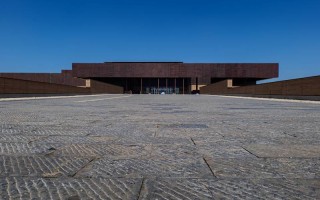
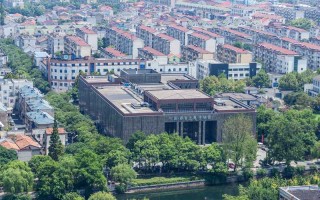
Your first stop almost has to be the Jianchuan Museum Cluster in Anren Town, about an hour’s drive from the city center. Now, “museum cluster” might sound formal, but this place is something else. Built by a private collector, Fan Jianchuan, it’s massive, visceral, and deeply personal. It’s less about grand narratives and more about individual memories. The Museum of the War of Resistance hits you hard. It’s not just about strategies and generals; it’s about the countless ordinary people—farmers, students, mothers—whose lives were swept up in the storm. You’ll see collections of everyday items, haunting photographs, and even rusting weapons scattered in a symbolic “broken river” display. It’s chaotic, emotional, and deliberately overwhelming. It doesn’t glorify war; it makes you feel its weight. Then you wander into the Red Age Museum, filled with memorabilia from the 1960s and 70s—propaganda posters, busts, household items. It’s a time capsule that feels both alien and intimately connected to the grandparents of the people you see on Chengdu’s streets today. This place doesn’t just tell you history; it makes you contend with it.
Back in the city, the atmosphere shifts. Head to the Former Site of the Xinhua Daily Chengdu Office. Tucked away in a now-quiet neighborhood, this unassuming building was a critical liaison office for the Communist Party during the United Front period. Walking through its modest rooms, you can almost hear the faint clatter of a clandestine printing press and sense the tension of intellectuals and revolutionaries working under watchful eyes. It’s a stark reminder that the revolutionary effort wasn’t always about open battlefields; it was also fought with words, ideas, and secret meetings in urban safehouses. The quiet here feels weighty, a contrast to the city’s usual lively hum.
For a more collective, solemn experience, the Chengdu Martyrs’ Cemetery is essential. Located in the city, it’s a beautifully maintained park dedicated to those who sacrificed their lives from the revolutionary period onwards. It’s not gloomy; instead, it’s a place of respect and peaceful reflection. Locals stroll here, paying quiet respects. Seeing the rows of names and the grand memorial monument, you understand that the “revolution” wasn’t a single event but a long river fed by countless individual streams of courage.
Now, here’s the thing about doing “Red Tourism” in Chengdu: you can’t, and shouldn’t, separate it from the city’s living culture. That’s the real magic. After a morning at the Martyrs’ Cemetery, you might find yourself in a nearby, decades-old restaurant slurping a bowl of dandan noodles. The connection isn’t explicit, but it’s there. The resilience and /munity spirit you read about in the museums are the same forces that have kept these family-owned food joints alive for generations. The revolutionary pursuit of a better life echoes in the determined, entrepreneurial hustle of a vendor making perfect guokui (pan-fried bread) on a street corner.
So, why should a traveler bother with this? Because it adds profound depth. When you sit in that teahouse later, watching the steam rise from your cup, you’re not just in a “panda city.” You’re in a city that has witnessed immense social upheaval, that holds memories of both immense pain and fervent hope in its green parks and grey hutongs. You understand that the famous Chengdu “shufu” (/fort) isn’t just about laziness; it’s a hard-earned appreciation for peace and stability, a conscious choice to savor the present precisely because the past was so turbulent.
Exploring Chengdu’s red sites isn’t a somber history lesson. It’s a conversation with the city’s other personality—the determined, idealistic, and resilient one that stands beside the playful, food-obsessed, leisurely spirit. It /pletes the picture. You haven’t really seen Chengdu until you’ve acknowledged both its carefree smile and the thoughtful, experienced look in its eyes. So, after your panda visit and hotpot feast, take a detour. Follow that red thread. It might just lead you to the most authentic understanding of what makes this place, and its people, truly extraordinary.
标签: 成都红色旅游景点英语